The Learning Profile Toolkit
Resources designed to support learners, educators, institutions, and support roles
For Learners
For Educators
Progress tracking
Take their learning to the next level
Communication Templates
For Support Roles
Practical pedagogy for real classrooms
Resource-friendly strategies
Equitable classroom frameworks
Discover Your Learning Profile
Find your thinking style
Build your learning strategy
Learner Resources
The Learning Profiles
Learning profiles, or executive thinking types, are natural ways individuals process information, make sense of ideas, and approach learning tasks.
Rather than focusing on what someone knows, they focus on how someone thinks. Each profile reflects patterns in cognition such as organizing visually, processing sequentially, connecting through meaning, learning by doing, reflecting deeply, synthesizing ideas, or reasoning through language.
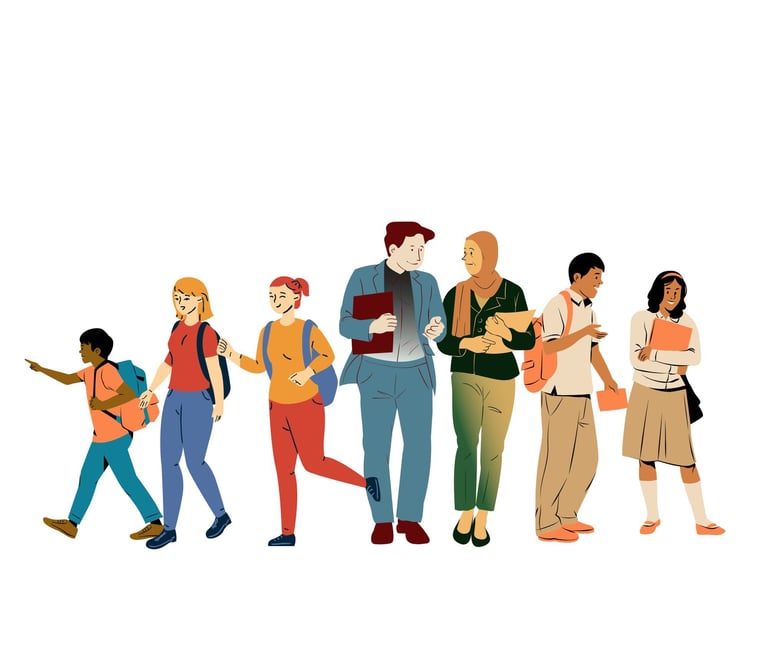
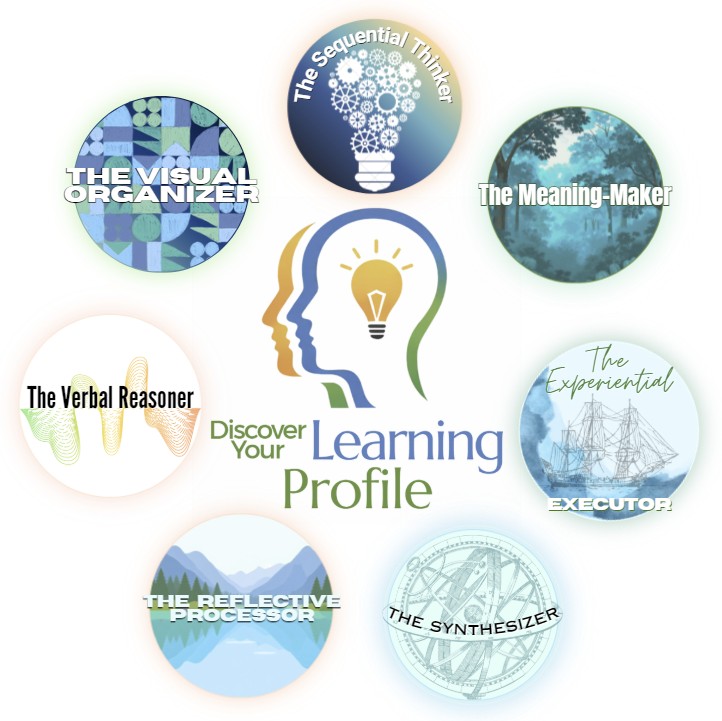
Learning is not one-size-fits-all. When educators and learners uncover how comprehension looks different for each individual, they can align strategies, instruction, and assessment in ways that reduce frustration and increase clarity. This leads to stronger engagement, more meaningful feedback, and improved performance.
Finding out your Learning Profile can have some great outcomes:
Helps learners understand how they think, not just what they know
Increases confidence by validating different ways of learning
Supports more effective, personalized study strategies
Strengthens metacognition and self-awareness
Reduces frustration, anxiety, and cognitive overload
Promotes deeper understanding rather than surface-level memorization
Helps learners advocate for their learning needs
Improves ability to collaborate by understanding how others think
Leads to more efficient and effective learning overall
K-12 Enrichment Opportunities


Passion Projects
A passion project is a self-initiated activity or piece of work that someone pursues out of genuine interest, curiosity, or personal meaning rather than obligation or external reward.
It’s typically driven by intrinsic motivation, allowing the individual to explore ideas, build skills, or create something that reflects their values, identity, or creativity.
Educator Resources
Instructional Moves
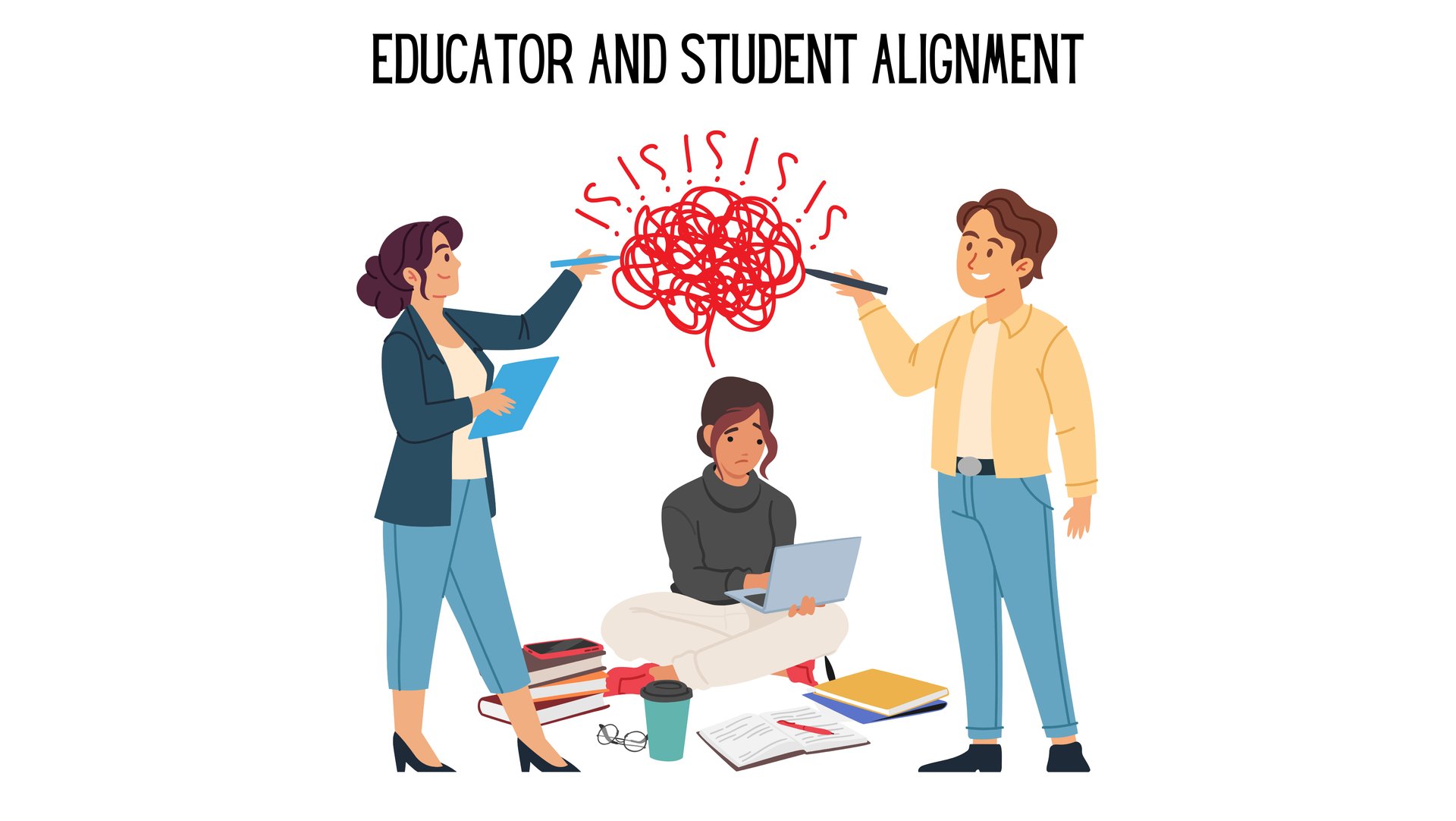
Understanding learning profiles helps educators choose how to teach, not just what to teach. It allows them to vary instruction by offering multiple entry points such as visual models, step-by-step guidance, discussion, or hands-on application. This increases clarity and ensures more students can access the learning the first time, rather than needing to recover later.
Assessment Fit
Learning profiles help educators design assessments that measure understanding rather than just method preference. When students are given different ways to demonstrate learning, the assessment becomes a better reflection of their actual knowledge and skills. This improves fairness, alignment with outcomes, and the quality of evidence educators receive.
Shutdown Triggers
Each learning profile has conditions that can cause disengagement or cognitive overload. When educators understand these triggers such as lack of structure, too much abstraction, no time to process, or limited opportunity to apply, they can proactively design around them. This reduces frustration, prevents withdrawal, and keeps students meaningfully engaged in the learning process.
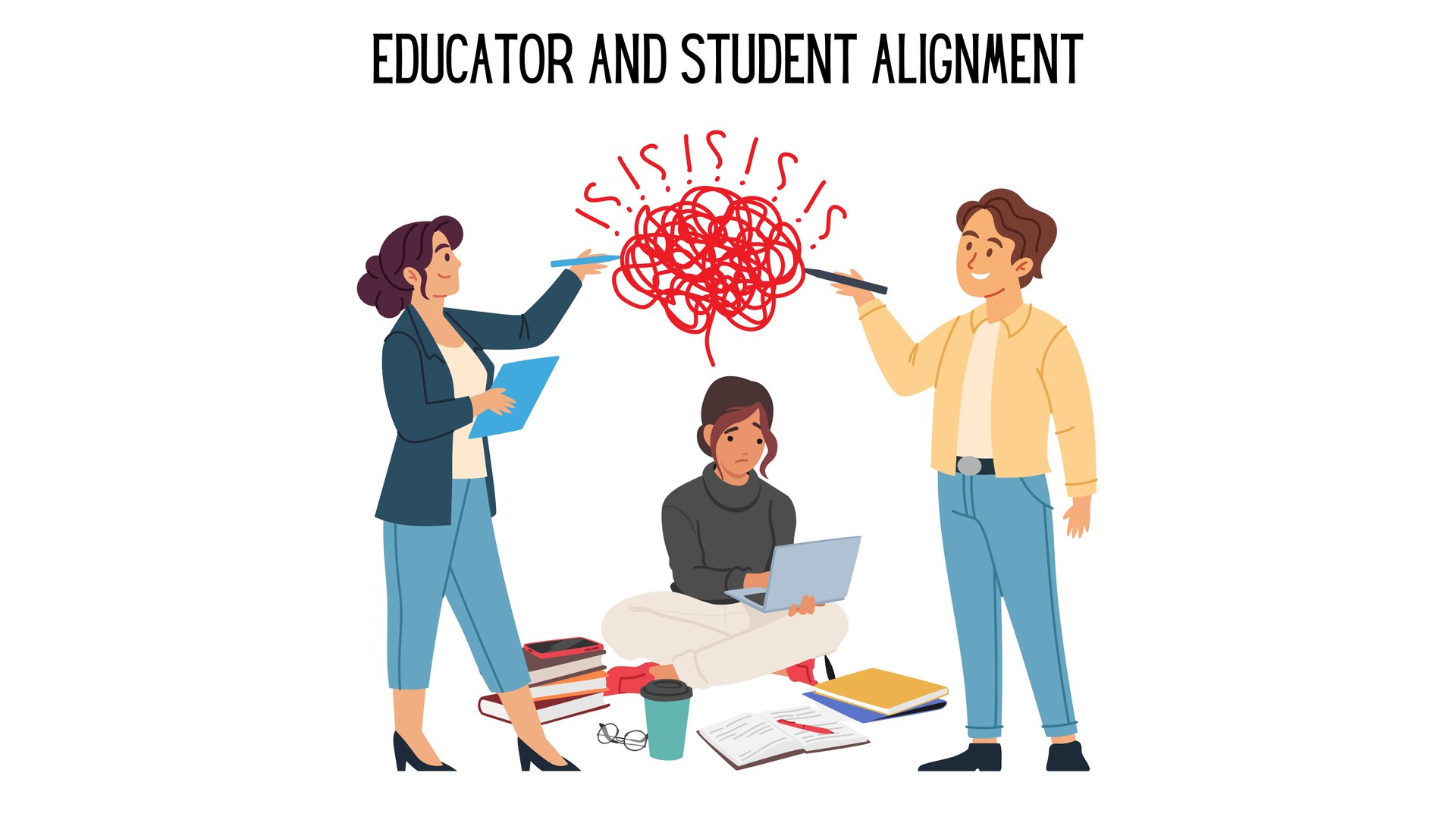
Finding out the Learning Profiles of your students:
Improves engagement by aligning tasks with learner thinking patterns
Enhances feedback by making it more specific, actionable, and meaningful
Supports the design of more inclusive, UDL-aligned learning experiences
Encourages variety in teaching methods to reach more learners
Improves assessment alignment by offering multiple ways to demonstrate learning
Helps identify when a student is struggling due to strategy, not ability
Reduces classroom-wide frustration by increasing clarity and access points
Supports differentiated instruction without lowering expectations
Strengthens classroom dynamics through a better understanding of learner diversity
Leads to more effective teaching and stronger learning outcomes overall
The Learning Profiles
Learning is not one-size-fits-all. When educators and learners uncover how comprehension looks different for each individual, they can align strategies, instruction, and assessment in ways that reduce frustration and increase clarity. This leads to stronger engagement, more meaningful feedback, and improved performance.
Support-Role Hero Resources
Learning profiles make support more precise. Rather than offering generic advice like “study more” or “stay organized,” support staff can recommend targeted approaches such as visual mapping, structured sequencing, verbal processing, or hands-on practice. This increases the likelihood that students will not only try the strategy but successfully apply it.
They also strengthen student independence. When learners understand their own profile, they are better equipped to self-advocate, choose effective strategies, and transfer those skills across courses. This reduces long-term reliance on support services while improving confidence and performance.
Finally, learning profiles help bridge communication between students and educators. Support roles can translate a student’s challenges into actionable insights such as mismatched instructional methods or assessment barriers, making it easier to advocate for adjustments that improve access without lowering expectations.
Finding out the Learning Profiles of the students you support:
Helps identify how a student processes information, not just where they are struggling
Shifts support from reactive problem-solving to proactive strategy alignment
Builds student independence and reduces long-term reliance on support services
Supports student self-advocacy in academic settings
Improves communication between students and instructors by translating challenges into actionable insights
Helps pinpoint mismatches between instruction, assessment, and learner needs
Reduces frustration and disengagement by addressing root causes, not symptoms
Enhances the effectiveness of tutoring, coaching, and academic advising sessions
Leads to more efficient use of time for both students and those in support-roles
The Learning Profiles
For support roles such as guardians, learning strategists, accessibility advisors, tutors, and academic coaches, understanding learning profiles shifts support from reactive to strategic. Instead of only responding to challenges after they appear, support providers can identify how a learner processes information and proactively align strategies that actually work for them.
Join our TLP Club Today
Stay updated with tips and new tools